Product Overview
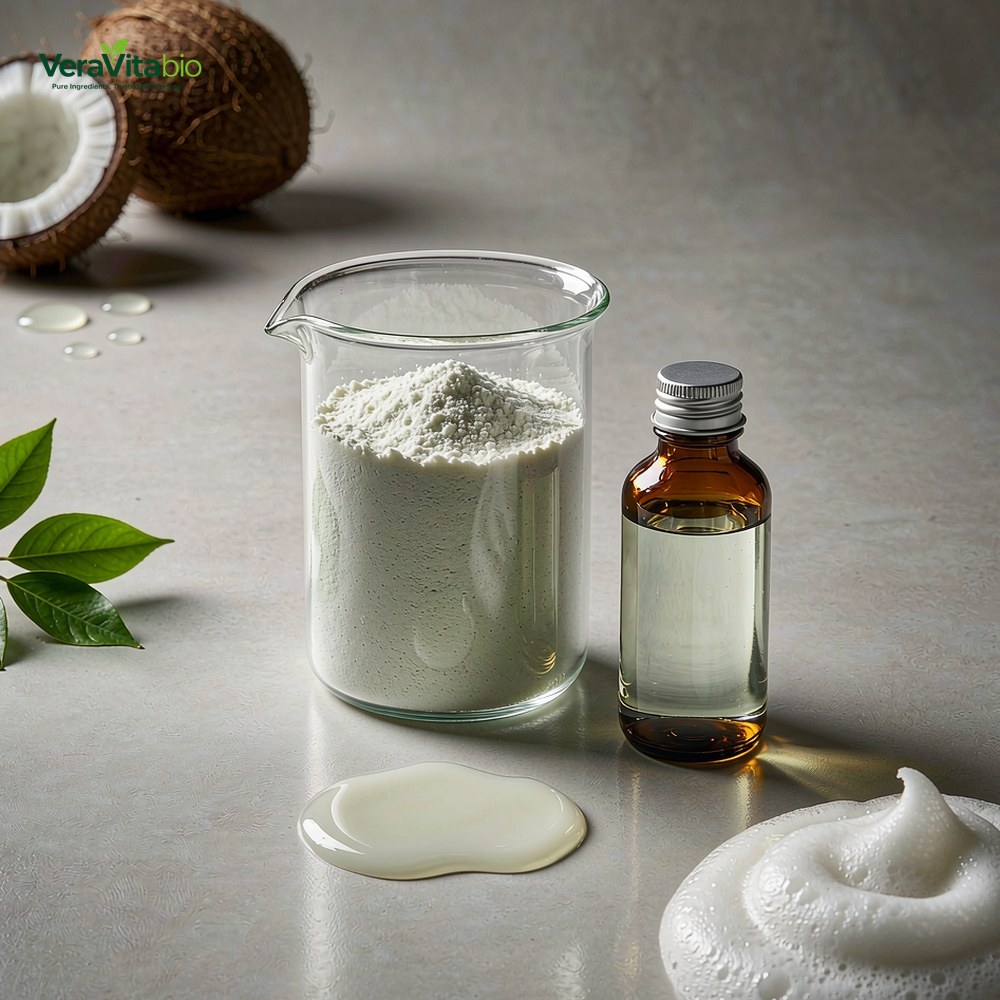
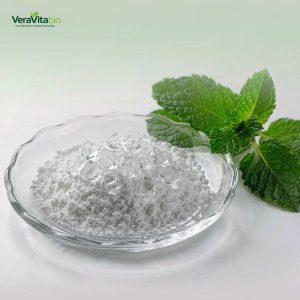
Sodium Cocoyl Glycinate is the sodium salt of an N-acyl glycine — an anionic surfactant built from coconut fatty acids and glycine, the simplest amino acid. It is the benchmark active of the amino-acid surfactant family that has replaced sulfate systems in a large share of premium facial cleansers, baby washes and syndet (combo) bars across Asia, and is now standard in sulfate-free shampoo and body wash launches worldwide. Supplied as a white to off-white free-flowing powder (high-active grade) or as a clear aqueous solution, it delivers the dense, cushiony, cream-like foam that formulators want but cannot get from alkyl glucosides alone, while keeping the irritation profile of a mild, protein-derived surfactant.
Where SLES cleans by sheer detergency and leaves a characteristic “squeaky” after-feel, Sodium Cocoyl Glycinate cleans effectively but leaves skin and hair closer to their natural state, with a soft, conditioned finish. This is why it anchors the “gentle / amino-acid / sulfate-free / skin-pH” claims that drive the current premium cleansing segment.
Key Features
- Cosmetic-grade N-acyl glycinate surfactant, coconut-derived and glycine-based — a true amino-acid surfactant, not a sulfate with a mildness additive
- Excellent mildness: markedly lower irritation and protein-denaturation potential than SLES / SLS, suitable for facial, baby and sensitive-skin positioning
- Dense, creamy, cushiony foam with fine bubble structure — superior foam quality to alkyl glucoside systems at equal active level
- Skin-friendly pH behaviour: fully functional in the mildly acidic to neutral window preferred for leave-on-adjacent cleansing formats
- Readily biodegradable and free of sulfate, EO/PEG, 1,4-dioxane concern and formaldehyde donors
- High-active powder grade (≥ 95%) for syndet bars, powder washes and low-water formulations; solution grade available for liquid systems
- Compatible with amphoteric (CAPB), non-ionic (alkyl glucoside) and other amino-acid surfactants (Sodium Cocoyl Glutamate, Sodium Lauroyl Sarcosinate)
- Full documentation — COA, MSDS, TDS — available on request for import and brand registration
How It Works
- Mild anionic cleansing: the glycinate head group is a carboxylate of much lower charge density and lower critical micelle concentration aggression than a sulfate head group. It solubilises sebum and soil into mixed micelles without stripping intercellular lipids or denaturing stratum-corneum proteins to the same degree — the mechanistic basis of its low irritation profile.
- Foam generation: the C12–C14 coco chain length gives fast surface-tension reduction and rapid foam generation, while the amide-linked glycine head stabilises the lamellae. The result is a tight, creamy lather rather than the loose, fast-draining foam typical of glucosides.
- pH-dependent solubility: the molecule is most soluble at mildly alkaline pH; as pH falls toward the acidic range it approaches its Krafft boundary and can haze or precipitate. Correctly buffered formulations stay clear and stable. See Formulation Notes.
- Conditioning after-feel: a small fraction of the surfactant resists complete rinsing, leaving a lubricious, “moisturised” film rather than the over-stripped squeak associated with high-sulfate systems.
- Hard-water tolerance: unlike soap, the glycinate does not form insoluble calcium and magnesium scum, so no lime-soap deposit is left on hair or shower surfaces.
Typical Applications
- Hair care: sulfate-free shampoos, amino-acid shampoos, baby and children’s shampoo, colour-safe / keratin-safe cleansers, 2-in-1 and scalp-care shampoo, low-pH shampoo concepts
- Body & bath: body wash and shower gel, foam hand wash, bubble bath, syndet and combo beauty bars, intimate wash, sensitive-skin cleansing gels
- Facial cleansing: amino-acid facial foams and gel cleansers, cleansing powders and enzyme wash powders, micellar foaming gels, makeup-removal foams
- Oral care: low-foam / low-irritation toothpaste surfactant systems and mouthwash bases
- Special formats: solid shampoo and conditioner bars, anhydrous powder-to-foam washes, pet and veterinary gentle shampoos, wet-wipe lotions
- OEM / ODM: full-formula development and private label for sulfate-free shampoo, body wash, facial cleanser and syndet bar lines
Key Specifications
| INCI Name | Sodium Cocoyl Glycinate |
|---|---|
| Common Trade Names | Sodium Cocoyl Glycinate / Amino-Acid Surfactant SCG / N-Cocoyl Glycine Sodium Salt |
| CAS Number | 90387-74-9 |
| Chemical Type | Anionic N-acyl amino-acid surfactant (glycinate), coconut-oil derived |
| Grade Available | Powder, high active ≥ 95%; aqueous solution grade available on request |
| Appearance | White to off-white, free-flowing fine powder (solution grade: clear to slightly hazy liquid) |
| Odour | Slight characteristic, free of amine and rancid off-notes |
| Active Matter | ≥ 95.0% (powder grade) |
| pH (5% aqueous solution) | 7.0 – 9.0 |
| Loss on Drying | ≤ 3.0% |
| Sodium Chloride | ≤ 1.0% |
| Heavy Metals (as Pb) | ≤ 10 ppm |
| Arsenic (As) | ≤ 2 ppm |
| Solubility | Soluble in water; dissolves faster in warm water (40–60 °C) and at mildly alkaline pH |
| Typical Use Level | 5–30% as supplied; 10–25% typical in sulfate-free shampoo and body wash, 20–40% in syndet bars |
| Shelf Life | 24 months in unopened original packaging |
| Packaging | 25 kg fibre drum / carton with inner PE liner (bulk and IBC options for solution grade) |
| MOQ | Available on request |
Formulation Notes
- Dissolve before you formulate. Disperse the powder into warm water (40–60 °C) with good agitation and allow it to clear fully. Adding it to cold water gives slow wet-out and a persistent gel layer on the powder surface.
- Manage the pH window. Sodium Cocoyl Glycinate is most soluble and stable in the mildly alkaline to neutral range. If you push the finished formula below roughly pH 6.0, expect hazing or precipitation as the material approaches its Krafft boundary — buffer accordingly, or pair it with a more acid-tolerant co-surfactant such as Sodium Cocoyl Glutamate or an amphoteric.
- Thickening is the hardest part of an amino-acid system. Salt thickening, which works so predictably with CAPB/SLES, is weak here. Build viscosity with a combination selected for glycinate systems — for example a hydrophobically modified polymer, a non-ionic thickener, or a small amount of an amphoteric plus a fatty-acid alkanolamide. Benchmark the rheology early; do not leave thickening to the end of the project.
- Boost foam and reduce cost with a co-surfactant. A typical premium sulfate-free shampoo pairs the glycinate with CAPB (3–6% active) or a glucoside. This improves foam volume, stabilises the formula and lowers the active-cost per bottle.
- For syndet and beauty bars, the high-active powder grade is the preferred form — it allows low-water or anhydrous processing and gives the plastic, non-crumbling bar texture that soap-and-synthetic blends need.
- Preservation: glycinate systems are not self-preserving. Use a broad-spectrum preservative appropriate to the finished pH, and validate with a challenge test.
- Chelate for hard-water markets. Adding a small level of chelating agent protects foam performance and clarity in high-hardness water.
Storage & Handling
Store in the original, tightly closed container in a cool, dry, well-ventilated place, protected from moisture, direct sunlight and heat. Recommended storage temperature is 5–35 °C. The powder is hygroscopic — reseal partially used packaging promptly and keep the inner liner closed. Handle with standard personal protective equipment including gloves and eye protection; avoid generating airborne dust and avoid prolonged skin contact with the concentrate. As with any surfactant raw material, review the MSDS before first use and observe the use restrictions applicable in your market.
Why Choose VeraVitabio
- Bulk B2B supply of surfactants, actives and functional ingredients — from sample quantities to full container loads
- Full documentation — COA, MSDS, TDS and specification sheets available on request
- OEM / ODM support — sulfate-free shampoo, body wash, facial cleanser and private-label finished product development
- Export experience to the US, EU, Middle East and Southeast Asia, with documentation support for importers and brand owners
- Stable supply chain — vetted manufacturing partners with batch-level traceability and pre-shipment verification
Request a Quote — Sourcing Sodium Cocoyl Glycinate for a sulfate-free shampoo, body wash or syndet bar line? Send your specification, required grade and target volume to info@veravitabio.com or WhatsApp +86 157 7194 0528. Samples and full documentation are available for qualified B2B buyers. Web: veravitabio.com
Need pricing, a sample or full documentation?
Send your specification, target volume and destination country — our team replies within one business day.
For cosmetic and personal care formulation use. This product is not intended to diagnose, treat, cure, or prevent any disease. Specifications shown are for general reference; full Certificate of Analysis and supporting documentation are available upon request. Formulators are responsible for confirming permitted use levels, preservative systems and claim language in their target markets.
Reviews
There are no reviews yet.