Product Overview
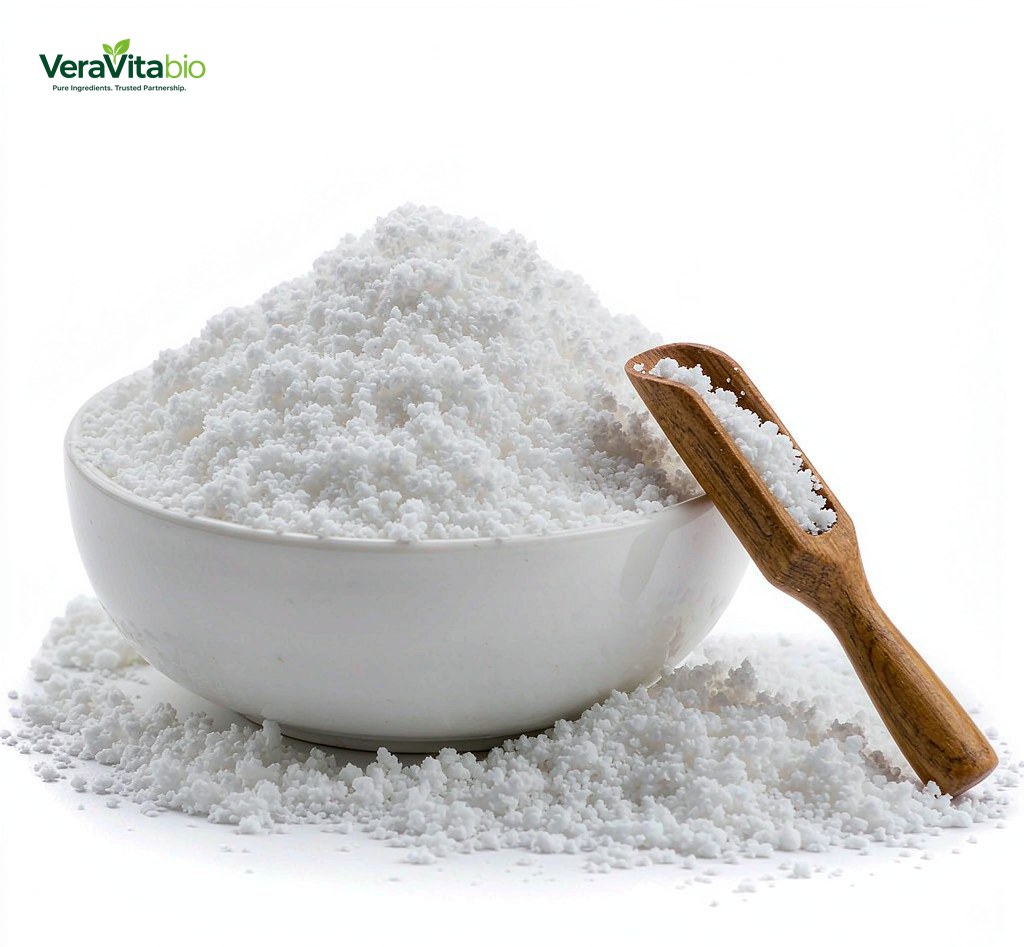
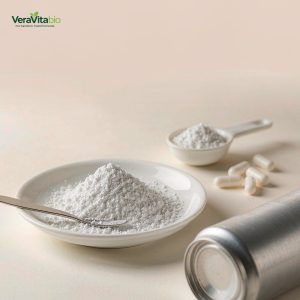
Xylitol (E967, CAS 87-99-0) is a five-carbon sugar alcohol (C5H12O5, MW 152.15) that occurs naturally in small amounts in fruits, vegetables and birch wood. Commercially it is produced by hydrogenating D-xylose derived from hemicellulose-rich plant fibre — typically corncob or birch — into a white, free-flowing crystalline powder that looks, pours and tastes very much like sucrose.
Its commercial appeal rests on three properties that no other bulk sweetener combines in one molecule: sweetness that is essentially 1:1 with sucrose (so formulations need no sweetness re-balancing), a strong endothermic cooling effect (heat of solution ≈ −153 J/g) that delivers the signature fresh taste of sugar-free gum and mints, and a metabolic profile of roughly 2.4 kcal/g with a glycaemic index of about 7–13 versus 65 for sucrose. Xylitol is also non-cariogenic: the oral bacterium Streptococcus mutans cannot ferment it, which underpins its recognised role in dental-health positioning.
China is the world’s principal production and export base for xylitol, giving brand owners access to stable volume at competitive cost. VeraVita supplies food-grade crystalline grades from coarse granular to fine 200 mesh, plus directly-compressible (DC) and pharmaceutical grades for tablet and chewable formats.
Key Features
- Sucrose-equivalent sweetness (≈ 1:1) — no re-balancing of sweetness systems when replacing sugar
- Clean, pleasant cooling sensation from a strongly endothermic heat of solution (≈ −153 J/g)
- About 40 % fewer calories than sucrose (2.4 kcal/g vs 4 kcal/g) and a glycaemic index of ~7–13
- Non-cariogenic — not fermented by Streptococcus mutans; supports sugar-free / tooth-friendly claims
- Heat-stable up to its melting range (92–96 °C) — suitable for cooking, baking and confectionery processes that would destroy high-intensity sweeteners
- Non-GMO plant-derived raw material (corncob / birch hemicellulose); vegan and gluten-free
- Excellent humectancy — improves moisture retention and shelf-life in baked goods and bar applications
- Multiple particle sizes: granular 12–30 mesh, crystalline 30–80, fine 80–200 and 200 mesh, plus DC grade for tablets
- Full documentation — COA, MSDS, TDS and FCC / USP-NF / EP compliant specification on request
- Bulk B2B supply from sample quantities to full container loads, 25 kg bags or fibre drums
How It Works
- Sweetness without the sugar load: xylitol binds the same sweet-taste receptors as sucrose at comparable intensity, but its polyol backbone means only a fraction is absorbed and metabolised as carbohydrate — hence the reduced caloric value and minimal blood-glucose response.
- Cooling perception: dissolving xylitol in saliva is strongly endothermic. It draws heat from the oral mucosa, which the brain reads as a clean cooling note — the reason xylitol dominates chewing gum and mint formats where “fresh” is part of the product promise.
- Caries mechanism: cariogenic bacteria take up xylitol but cannot metabolise it through glycolysis. The futile uptake cycle lowers acid production in plaque, keeping oral pH higher after eating — the mechanism behind the well-established dental-health association and the basis for regulatory claims on sugar-free chewing gum.
- Bulking behaviour: unlike high-intensity sweeteners (sucralose, stevia, monk fruit), xylitol is a true bulk sweetener. It contributes mass, body, texture and browning-free sweetness, so it does the physical job of sugar as well as the sensory one.
- Humectancy: its hydroxyl-rich structure binds water, slowing staling and moisture migration in bakery, bar and confectionery matrices.
- Insulin-independent metabolism: absorbed xylitol is metabolised largely independently of insulin, which is why it is a staple of keto, low-carb and diabetic-friendly product lines.
Typical Applications
- Chewing gum & mints: the single largest global use — the cooling profile and non-cariogenic status combine in sugar-free gum, breath mints and compressed tablets
- Sugar-free confectionery: hard candy, toffee-free chews, gummies, chocolate and compound coatings
- Oral care: toothpaste, mouthwash, breath sprays, children’s tooth gels and dental chewing gum
- Keto & low-carb foods: bakery mixes, protein bars, granola, dessert toppings, syrups and table-top sweeteners
- Beverages: dry drink mixes, instant teas and coffees, flavoured waters and functional shots
- Pharmaceutical & nutraceutical: DC grade as a directly-compressible excipient for chewable tablets and lozenges; syrup grade for sugar-free liquid preparations
- Jam, preserves & spreads: sugar-reduced fruit preparations requiring sucrose-like body and mouthfeel
- OEM / ODM: private-label sugar-free gum, mints and table-top sweetener development for retail and food-service brands
Key Specifications
| Product Name | Xylitol (wood sugar / birch sugar) |
|---|---|
| CAS Number | 87-99-0 |
| E Number | E 967 (EU approved sweetener) |
| Molecular Formula / Weight | C5H12O5 / 152.15 g/mol |
| Assay (on dry basis) | ≥ 98.5 % (FCC / USP-NF range 98.5–102.0 %) |
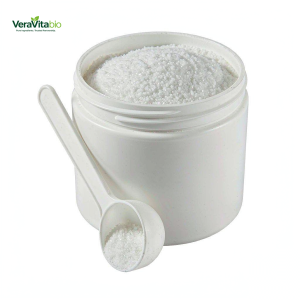
| Appearance | White, odourless, free-flowing crystalline powder or granules; sweet taste with distinct cooling effect |
| Available Grades | Food grade (granular 12–30 mesh, crystalline 30–80, fine 80–200 / 200 mesh); DC grade for tablets; pharmaceutical grade (USP-NF / EP) on request |
| Melting Range | 92–96 °C |
| Solubility in Water | Freely soluble — approx. 64 g / 100 mL at 20 °C |
| Loss on Drying | ≤ 0.5 % |
| Residue on Ignition | ≤ 0.1 % |
| Reducing Sugars (as glucose) | ≤ 0.2 % |
| Other Polyols | ≤ 1.0 % typical (FCC limit ≤ 2.0 %); sorbitol, mannitol, galactitol reported individually |
| Lead (Pb) | ≤ 1 ppm |
| Heavy Metals (as Pb) | ≤ 10 ppm |
| Arsenic (As) | ≤ 3 ppm |
| Microbiology | TPC ≤ 1,000 cfu/g; Yeast & Mould ≤ 100 cfu/g; Salmonella absent; E. coli absent |
| Relative Sweetness | ≈ 100 % of sucrose (1:1 replacement) |
| Energy Value | 2.4 kcal/g (10 kJ/g) — EU and US labelling values |
| Shelf Life | 24–36 months in unopened original packaging |
| Packaging | 25 kg multiwall paper bag with PE liner, or 25 kg fibre drum / carton; palletised and shrink-wrapped |
| MOQ | Available on request |
Formulation Notes
- Choose the particle size for the process, not just the label. Coarse granular (12–30 mesh) suits table-top sweeteners and pan-coated gum; 200 mesh is required for chocolate and coatings to avoid a gritty mouthfeel; DC grade is mandatory for direct-compression tablets because standard crystalline xylitol has poor flow and binding.
- Xylitol does not brown and does not feed yeast. It provides no Maillard browning or caramelisation, so baked goods will be paler than sugar versions — compensate with colour systems if appearance matters. Because it is not fermented by baker’s yeast, it cannot be used in yeast-raised doughs where leavening depends on sugar.
- Adjust for solubility and cooling. Xylitol is highly soluble and dissolves endothermically; in coatings and beverages this produces a noticeable cooling effect that is desirable in mints but may need masking in dairy or hot-drink applications.
- Manage the polyol tolerance threshold. As with all sugar alcohols, single intakes above roughly 20–50 g can cause osmotic laxative effects in sensitive consumers. Most markets require a laxation advisory statement above a defined level — check the labelling rules for your target market.
- ⚠️ Keep xylitol away from dogs. Xylitol causes rapid insulin release and severe, potentially fatal hypoglycaemia and hepatic injury in dogs, even at gram-level doses. It must not be used in pet food, pet treats or pet dental products, and finished-goods labels and warehouse SOPs should carry an explicit warning.
- Claims need market-specific wording. Dental-caries and glycaemic claims are regulated differently in the US, EU and elsewhere (for example, the US provides for a sugar-free chewing gum / dental caries claim under 21 CFR 101.80). Review target-market rules before printing labels; VeraVita supplies documentation to support your regulatory review.
- Storage discipline protects flowability. Xylitol is hygroscopic at high relative humidity. Seal part-used bags immediately and condition the material in the processing room before fine-mesh sieving.
Storage & Handling
Store in the original, tightly closed packaging in a cool (below 25 °C), dry and well-ventilated place, protected from moisture, heat and odorous materials. Although xylitol is heat-stable, elevated humidity will cause caking and lumping of fine grades. Handle with standard food-ingredient hygiene practice: gloves, clean scoops and dust control for fine mesh grades; the material is a combustible dust in high concentration, so avoid ignition sources during transfer. Reseal partially used bags promptly. As with any food ingredient, review the MSDS before first use and observe the use restrictions applicable in your market.
Why Choose VeraVitabio
- Bulk B2B supply of food additives, sweeteners, plant extracts, superfoods and mushroom extracts — from sample quantities to full container loads
- Full documentation — COA, MSDS, TDS and specification sheets aligned to FCC / USP-NF / EP on request
- Multiple grades and particle sizes from one source, including DC and pharmaceutical grades for tablet programmes
- OEM / ODM support — private-label sugar-free gum, mints, table-top sweeteners and finished-product development
- Export experience to the US, EU, Middle East and Southeast Asia, with documentation support for importers and brand owners
- Stable supply chain — vetted manufacturing partners with batch-level traceability and pre-shipment verification
Request a Quote — Sourcing Xylitol (E967) for sugar-free confectionery, oral care, keto or pharmaceutical applications? Send your required grade, particle size, specification and target volume to info@veravitabio.com or WhatsApp +86 157 7194 0528. Samples and full documentation are available for qualified B2B buyers. Web: veravitabio.com
.vv-contact-strip{display:flex;flex-wrap:wrap;gap:10px;align-items:center;margin:0;}
.vv-contact-strip a{
display:inline-flex;align-items:center;gap:8px;
padding:10px 16px;border-radius:8px;
font-size:0.9375rem;font-weight:600;line-height:1;
text-decoration:none;transition:all .25s cubic-bezier(.4,0,.2,1);
border:1px solid rgba(13,59,46,.18);
color:#0D3B2E;background:#FFFFFF;
}
.vv-contact-strip a:hover{
background:#0D3B2E;color:#FFFFFF;border-color:#0D3B2E;
transform:translateY(-1px);
}
.vv-contact-strip a svg{flex:0 0 auto;}
.vv-contact-strip.vv-on-dark a{
background:rgba(255,255,255,.06);
border-color:rgba(255,255,255,.22);
color:#FFFFFF;
}
.vv-contact-strip.vv-on-dark a:hover{
background:#7CBB3A;border-color:#7CBB3A;color:#0D3B2E;
}
.vv-contact-strip.vv-centered{justify-content:center;}
For food, beverage, oral-care and pharmaceutical formulation use. This product is not intended to diagnose, treat, cure, or prevent any disease. Xylitol is toxic to dogs — keep away from pets and do not use in pet products. Specifications shown are for general reference; full Certificate of Analysis and supporting documentation are available upon request. Formulators are responsible for confirming permitted use levels, labelling statements and regulatory status in their target markets.
Need pricing, a sample or full documentation?
Send your specification, target volume and destination country — our team replies within one business day.
Reviews
There are no reviews yet.