
Product Overview
Rosemary extract (extracts of rosemary; E 392; CAS 84604-14-8, EC 283-291-9) is the oleoresin-type extract of the dried leaves of Rosmarinus officinalis L. (syn. Salvia rosmarinus, family Lamiaceae), produced from ground dried leaves with food-grade solvents — acetone or ethanol — or by supercritical CO2 extraction, followed by filtration, solvent evaporation, drying and sieving, with optional deodorisation, decolourisation and standardisation on food-grade carriers. It is standardised on its phenolic diterpenes — carnosic acid (CAS 3650-09-7, C20H28O4, MW 332.4) and carnosol (CAS 5957-80-2, C20H26O4, MW 330.4) — the principal lipid-phase antioxidant agents, supported by rosmarinic acid (CAS 20283-92-5, water-soluble), flavonoids and triterpenes such as ursolic acid (CAS 77-52-1).
It is the only herb extract with full food-additive status in the EU: evaluated by EFSA (2008, refined exposure 2018), authorised in defined food categories with maximum levels under Annex II of Regulation (EC) 1333/2008, and specified in Commission Regulation (EU) No 231/2012. JECFA (2016) established a temporary ADI of 0–0.3 mg/kg bw expressed as carnosic acid plus carnosol. In China it is a listed antioxidant in GB 2760 (CNS 04.017, INS 392) with the national product standard GB 1886.172-2016. The commercial result is the clean-label antioxidant that lets a formulator print “rosemary extract” on the ingredient list instead of BHA (E 320), BHT (E 321) or TBHQ (E 319) — the single fastest-moving substitution in fats, oils, snacks, nuts, meat products and pet food.
VeraVitabio supplies food-grade E 392 rosemary extract (oil-soluble powder and liquid, deodorised and non-deodorised, supercritical-CO2 and solvent routes) plus cosmetic-grade leaf extract under INCI Rosmarinus Officinalis (Rosemary) Leaf Extract, each with a per-lot HPLC COA stating carnosic acid, carnosol, rosmarinic acid, residual solvents and colour — the numbers that actually decide whether a lot protects your oil for 12 months on the shelf.
Key Features
- The natural antioxidant with the paperwork already done. E 392 is a fully authorised EU food additive (Regulation (EC) 1333/2008 Annex II, specification 231/2012), a listed antioxidant in China’s GB 2760 (CNS 04.017, INS 392, national standard GB 1886.172-2016), and JECFA-evaluated (temporary ADI 0–0.3 mg/kg bw as carnosic acid + carnosol). Clean-label is not a marketing claim here — it is the regulatory file.
- Direct, like-for-like replacement of synthetic antioxidants. Carnosic acid is among the most effective lipid-phase chain-breaking antioxidants available from nature; rosemary extract is the established natural substitute for BHA/BHT/TBHQ in vegetable oils, animal fats, fried snacks, nuts, cereals, meat products and omega-3 oils, at typical doses of 200–1,000 ppm.
- The antioxidant/volatiles ratio is the identity test. E 392 must present a ratio of total carnosic acid + carnosol to the reference key volatiles (borneol, bornyl acetate, camphor, 1,8-cineole, verbenone) of not less than 15 — and carnosic acid + carnosol must be at least 90% of the total phenolic diterpenes. This single ratio separates true antioxidant-grade extracts from aromatic spice oleoresins sold with an antioxidant story.
- Four regulated manufacturing types — the route must match the spec. Acetone-extracted: assay ≥ 10% total carnosic acid + carnosol, acetone ≤ 500 mg/kg. Supercritical CO2: ≥ 13%, ethanol ≤ 2%. Deodorised ethanolic: ≥ 5%, ethanol ≤ 500 mg/kg. Hexane/ethanol two-step decolourised-deodorised: ≥ 5%. Generic purity: loss on drying < 5%, arsenic ≤ 3 mg/kg, lead ≤ 2 mg/kg. The product of commerce can be standardised to total carnosic acid + carnosol up to 33%.
- Oil-soluble and water-soluble chemistries in one botanical. Carnosic acid (logP ~4.9) and carnosol (logP ~4.4) are oil-soluble; rosmarinic acid (logP ~2.4, MW 360.3) is water-soluble. The right question to any supplier is not “rosemary extract?” but “which marker, standardised at what level, for which matrix?” — diterpene grades for fats and oils, rosmarinic-acid grades for aqueous and emulsion systems.
- Its own degradation products stay active. Oxidation converts carnosic acid into carnosol, rosmanol and related diterpene quinones that themselves retain antioxidant activity — a sacrificial cascade that extends the protection window in long-shelf-life oils far beyond what a single fast-acting antioxidant delivers.
- Synergy is the way to replace TBHQ systems. Rosemary extract performs best combined with tocopherols, ascorbyl palmitate and a metal chelator (citric acid) — the classical natural-antioxidant trio for sensitive oils, fish oil and nut applications.
- A genuine cosmetic active, not a cross-listing. INCI Rosmarinus Officinalis (Rosemary) Leaf Extract: CIR-assessed safe in present practices of use when formulated to be non-sensitising (Final Report 6/2014, ten rosemary-derived ingredients); China IECIC 2021 listed, with reported historical use up to ~45% in leave-on products. Used as an antioxidant for the oil phase of natural emulsions, a preservative-supporting antioxidant, and in the fast-growing rosemary scalp-care trend.
- Pet food’s default natural antioxidant. The category where synthetic antioxidants are most contested — rosemary extract is the mainstream natural stabiliser for pet kibble fats, alongside mixed tocopherols.
- Full documentation pack. Per-lot COA (HPLC carnosic acid + carnosol, rosmarinic acid where applicable, residual solvents, heavy metals, microbiology), SDS, TDS, plus botanical-origin, non-GMO, allergen, HALAL/KOSHER statements on request.
How It Works
1. Lipid-phase chain breaking. Carnosic acid carries a catechol-type (ortho-dihydroxy) phenolic structure: the phenolic hydrogens are donated to lipid peroxyl radicals faster than the radical abstracts from the fatty acid substrate, terminating the propagation step of autoxidation. The catechol motif stabilises the resulting phenoxyl radical by resonance, which is why the diterpene outperforms many monophenolic natural antioxidants at equal molar dose — and why a few hundred ppm measurably extend Rancimat induction periods in vegetable and fish oils.
2. The sacrificial cascade. As carnosic acid is consumed it converts to carnosol, rosmanol, galdosol and related oxidised diterpenes — all still phenolic and still radical-trapping. The extract therefore does not lose protection the moment the parent molecule is spent; it steps down a ladder of progressively oxidised, still-active intermediates. This is the mechanistic answer to the buyer question “why does your extract outlast the competitor’s at the same carnosic acid number?”
3. Synergy and metal control. Lipid oxidation is accelerated by trace transition metals; rosmarinic acid and the organic-acid fraction weakly chelate iron and copper, while ascorbyl palmitate regenerates consumed phenolics and tocopherols act as the secondary, slower line of defence. Formulated together — typically rosemary extract + mixed tocopherols + ascorbyl palmitate + citric acid — the system covers initiation, propagation and metal catalysis, which is how clean-label programs retire TBHQ in frying and omega-3 applications.
4. In cosmetics — protecting the formula and supporting the claim. Natural oils (argan, rosehip, avocado, almond) go rancid faster than most emulsions go microbial; 0.05–0.2% rosemary extract in the oil phase protects the lipids and the fragrance profile. The same phenolic fraction scavenges free radicals in vitro and down-regulates inflammatory mediators in cell models, supporting antioxidant and soothing positioning of serums, scalp products and anti-pollution lines — cosmetic claims, not drug claims.
5. Water-phase activity. Rosmarinic-acid-standardised (or glycerin-based) grades place the same botanical chemistry into hydro-gels, toners, beverage emulsions and water-phase preservative boosting — the reason the “one plant, two extracts” split matters commercially.
Typical Applications
- Vegetable oils and fats — 0.7 g/kg maximum (GB 2760, 02.01.01) for refined, bottled and bulk oils; 200–500 ppm typical working dose with tocopherol synergy.
- Animal fats, lard, tallow, fish oil — 0.3 g/kg (GB 2760, 02.01.02); the flagship natural stabiliser for omega-3 supplements and fish-oil premixes.
- Margarine, spreads and fat-based emulsions — 0.7 g/kg (GB 2760, 02.02); the EU 2015 opinion covered extensions of use in fat-based spreads at 30 and 100 mg/kg.
- Meat and poultry products — 0.3 g/kg (GB 2760, 08.02/08.03): marinated and cured meats, sausages, hams, grilled and roasted lines — controls lipid oxidation off-notes and warmed-over flavour.
- Fried snacks, nuts and seeds — 0.3 g/kg (GB 2760, 04.05.02 / 16.06) plus fried dough products — the classic TBHQ-replacement slot for roasted-nut and extruded-snack brands.
- Compound seasonings — 0.3–0.7 g/kg (GB 2760, 12.10): soup powders, sauce bases, broths where oil rancidity limits shelf life.
- Plant-protein beverages — 0.15 g/kg (GB 2760, 14.03.02), and puffed foods 0.3 g/kg.
- Pet food and animal nutrition — natural kibble-fat stabilisation together with mixed tocopherols, the de-facto standard in premium pet brands.
- Cosmetics — oil-phase antioxidant at 0.05–0.2% in natural emulsions, balms and anhydrous butters; preservative-supporting antioxidant; rosemary scalp-care and hair-growth-trend products (leave-on scalp serums, shampoos); anti-pollution and soothing skin care with rosmarinic-acid grades.
Key Specifications
| Parameter | Specification |
|---|---|
| Product name | Rosemary Extract (extracts of rosemary, E 392); food-grade and cosmetic-grade |
| CAS number | 84604-14-8 (EC 283-291-9) |
| Botanical origin | Dried leaves of Rosmarinus officinalis L. (syn. Salvia rosmarinus), Lamiaceae; Mediterranean supply (Morocco, Spain, Tunisia, Turkey) and commercial cultivation in China (Yunnan, Guizhou, Hunan, Shandong) |
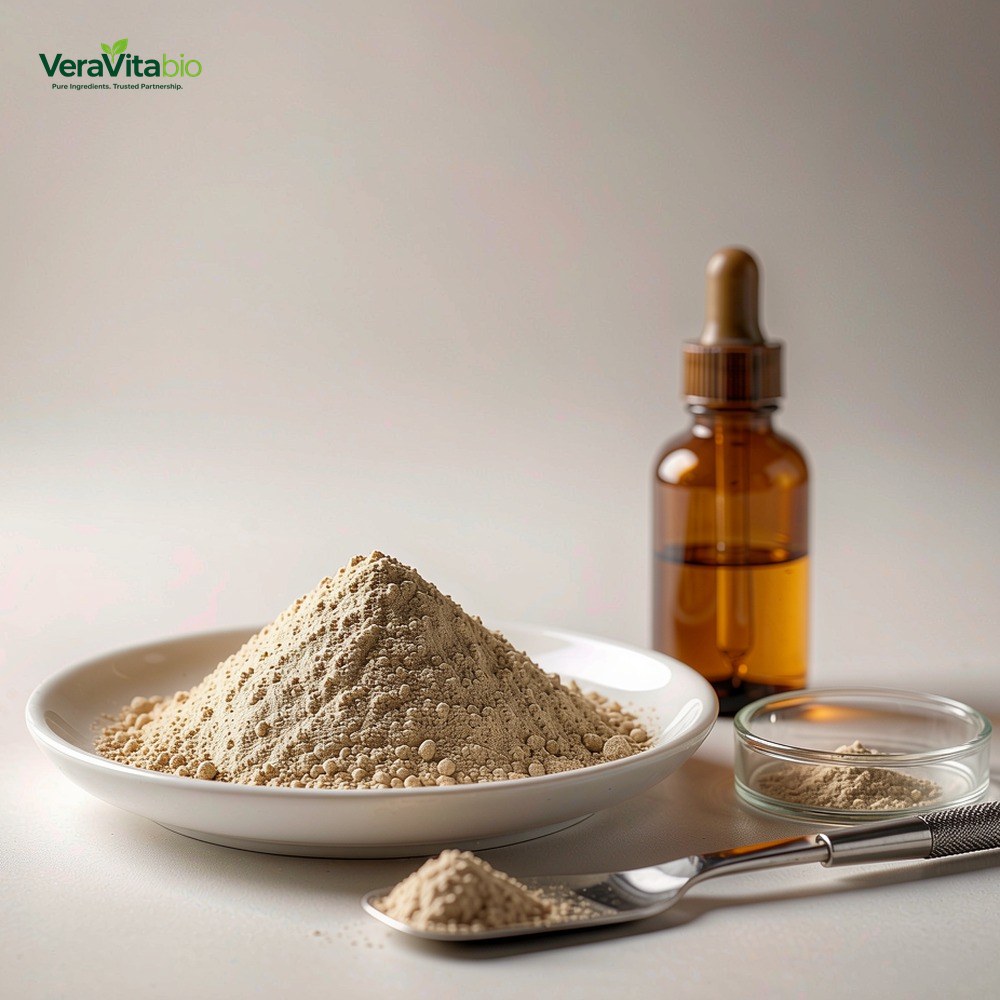
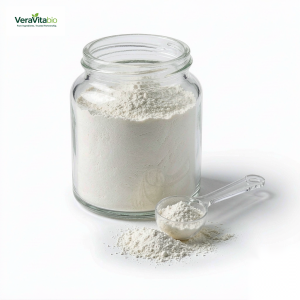
| Appearance | Beige to light brown free-flowing powder (or amber-brown viscous liquid/oil grades); non-deodorised grades carry the characteristic rosemary odour |
| Key markers | Carnosic acid CAS 3650-09-7 (C20H28O4, MW 332.4); carnosol CAS 5957-80-2 (C20H26O4, MW 330.4); rosmarinic acid CAS 20283-92-5 (C18H16O8, MW 360.3); ursolic acid CAS 77-52-1 |
| Assay (E 392) | ≥ 5% total carnosic acid + carnosol (deodorised ethanolic / hexane-ethanol types); ≥ 10% (acetone type); ≥ 13% (SC-CO2 type); carnosic acid + carnosol ≥ 90% of total phenolic diterpenes; commerce standardised up to 33%; cosmetic/research grades 20–60% carnosic acid on request |
| Antioxidant / volatiles ratio | ≥ 15 (total carnosic acid + carnosol vs reference volatiles: borneol, bornyl acetate, camphor, 1,8-cineole, verbenone) |
| Residual solvents | Acetone ≤ 500 mg/kg (acetone type); ethanol ≤ 500 mg/kg (ethanolic type); ethanol ≤ 2% (SC-CO2 type) |
| Heavy metals | Arsenic ≤ 3 mg/kg; lead ≤ 2 mg/kg |
| Loss on drying | < 5% (80 °C under vacuum, 4 h) |
| Bulk density | > 0.25 g/mL (powder) |
| Solubility | Insoluble in water, soluble/miscible in oils (diterpene grades); water-dispersible and rosmarinic-acid-standardised grades for aqueous systems |
| Carrier disclosure | Standardisation carriers (e.g. sunflower oil, maltodextrin) declared per grade — required, not optional |
| Recommended use level | Food: per GB 2760 / EU Annex II category limits (oils & fats 0.3–0.7 g/kg China; 200–1,000 ppm typical working dose). Cosmetic: 0.05–0.2% oil phase; CIR-safe practices with leave-on rosemary leaf extract ≤ 0.2% unless formulated to be non-sensitising |
| Regulatory position | EU: E 392 authorised (Reg (EC) 1333/2008 Annex II), specification Reg (EU) 231/2012, EFSA 2008/2018 evaluated; JECFA 2016 temporary ADI 0–0.3 mg/kg bw (as carnosic acid + carnosol). China: GB 2760-2024 CNS 04.017 / INS 392, product standard GB 1886.172-2016. Cosmetic: INCI Rosmarinus Officinalis (Rosemary) Leaf Extract; CIR Final Report 6/2014 safe as used (non-sensitising); IECIC 2021 listed (flower/leaf/stem entry No. 04680; leaf extract leave-on historical use up to ~45%) |
| HS code | 1302.19 (vegetable extracts, other) |
| Shelf life | 24 months sealed, cool and dark; per-lot assay with retest interval declared — carnosic acid is degradable, so retest dates are part of the spec |
| Packaging | 1–5 kg foil bags (evaluation), 25 kg fibre drum with inner PE liner; liquid grades in sealed pails or drums with nitrogen-headspace option |
| Certifications | ISO 9001 / GMP manufacturing; HALAL and KOSHER on request; vegan, non-GMO and allergen declarations |
Formulation & Handling Notes
- Protect the molecule, not just the bag. Carnosic acid degrades on exposure to heat, light and oxygen; lots should be stored cool (<25 °C), dark and sealed, liquid grades nitrogen-flushed after opening. A darkening colour is the visual early-warning of diterpene oxidation — incoming QC should trend colour alongside HPLC assay, and the COA should carry a retest interval.
- “Rosemary extract” on a datasheet is not a specification. Demand, in writing: the manufacturing type (acetone / SC-CO2 / ethanolic / hexane-ethanol), the HPLC method and the carnosic acid + carnosol assay against the E 392 floor for that type, the antioxidant/volatiles ratio (≥ 15), residual solvents, and the standardisation carrier with its percentage. Spice oleoresins and oil-macerates routinely fail this screen; the ratio question alone separates real antioxidant grades from flavour grades.
- Match the marker to the matrix. Fats, oils, frying systems, kibble: oil-soluble diterpene (carnosic acid) grades, added to the warm (<60 °C) oil before deodorisation-sensitive steps. Beverages, gels, emulsions, water-phase boosting: rosmarinic-acid or water-dispersible grades. Adding an oil-soluble powder straight into an aqueous phase gives speckling and zero activity — disperse in a little of the formulation’s oil or a cosolvent first.
- Sensory management is a grade decision. Non-deodorised grades bring genuine rosemary aroma (welcome in savoury seasonings, problematic in neutral oils and cosmetics); deodorised/decolourised grades trade some sensory note for neutrality — specify which, because “rosemary smell” is the most common post-launch complaint with mis-specified lots.
- Build the natural-antioxidant system, don’t dose rosemary alone. The field-proven combination for sensitive oils is rosemary extract (primary peroxyl trapping) + mixed tocopherols (secondary) + ascorbyl palmitate (regenerator) + citric acid (metal sequestrant). Replacing a TBHQ system 1:1 with rosemary extract alone usually underperforms; the system replaces it.
- Food side — category limits are per matrix. GB 2760-2024 ceilings run from 0.7 g/kg (vegetable oils, emulsified fats, solid compound seasonings) through 0.3 g/kg (animal fats, meat, nuts, fried snacks, sauces) to 0.15 g/kg (plant-protein beverages, calculated to ready-to-drink basis for powdered formats). EU Annex II sets its own category maximums — confirm the destination list before finalising the formula.
- Cosmetic side — keep the sensory risk priced in. CIR’s safe conclusion is conditioned on formulating to be non-sensitising; aromatic (non-deodorised) grades at elevated leave-on levels carry fragrance-allergen exposure via volatiles — which is exactly why deodorised grades and the ≤ 0.2% leave-on benchmark matter for sensitive-skin lines. Distinguish clearly from rosemary leaf oil, whose camphor/1,8-cineole content is a different sensory and regulatory animal.
- Exposure context for regulators and buyers. JECFA’s temporary ADI is 0–0.3 mg/kg bw per day expressed as carnosic acid + carnosol; EFSA’s 2018 refined assessment put the highest mean food-additive exposure at 0.09 mg/kg bw/day (p95 0.20, children) — margins consistent with continued authorisation, and useful numbers when a customer’s toxicologist asks why the additive is safe at your use level.
- Ask where the leaves actually came from. Wild-harvested Mediterranean leaf varies by season and region; cultivated Chinese leaf (Yunnan, Guizhou, Hunan, Shandong) gives tighter batch-to-batch marker consistency. Origin affects marker profile, volatiles and price — request origin per lot, not per catalogue.
Storage & Handling
Store sealed in a cool (<25 °C), dark, dry warehouse; avoid proximity to heat sources and strong oxidants. Powders are hygroscopic — reseal opened foil bags immediately or decant into airtight containers; liquid grades should be nitrogen-headspaced after opening to limit carnosic acid loss. Use FIFO rotation and retain samples from each lot for colour and HPLC comparison at goods-in. Fine organic powder: avoid ignition sources and use extraction at weighing stations. In cosmetics, dose the extract into the oil phase below 60 °C and protect the finished product in opaque or airless packaging where the oil load is high.
Why Choose VeraVitabio
- E 392 specified like an additive, not a herb. Manufacturing type, carnosic acid + carnosol assay, antioxidant/volatiles ratio, residual solvents and carrier percentage declared per grade and per lot — the screen your QA will run anyway.
- Both chemistries from one source. Oil-soluble diterpene grades for fats and oils, rosmarinic-acid and water-dispersible grades for beverages and cosmetics, deodorised and non-deodorised options.
- Per-lot HPLC transparency. Carnosic acid, carnosol and (where applicable) rosmarinic acid values with method, plus colour trending and retest intervals — because the marker degrades and the COA should say so.
- System-level formulation support. Working combinations with tocopherols, ascorbyl palmitate and citric acid for BHA/BHT/TBHQ retirement programs in oils, snacks, meat and pet food, with dose benchmarks per GB 2760 and EU category limits.
- Stack-friendly portfolio. Quote rosemary extract together with our citric acid (E 330), xanthan gum, plant extracts and cosmetic actives — antioxidant systems and stabiliser packages from one supplier, one COA pack.
- From sample to container. 1 kg evaluation packs for lab validation, 25 kg drums for production, container-load pricing for annual programmes.
Request a Quote
Send us four things and we will quote precisely rather than generically: (1) the matrix — oil, snack, meat, beverage or cosmetic — because it selects the diterpene vs rosmarinic-acid grade; (2) the marker level and manufacturing type you need (or the synthetic antioxidant you are replacing, and we will propose the system); (3) the pack size; and (4) the destination market and volume — we will confirm the E 392 / GB 2760 documentation required there. We reply with pricing, the current lot’s HPLC COA, a sample lead time and the dispersion guidance for the grade, so your lab can verify induction-period gains before committing to tonnage.
Email: info@veravitabio.com | WhatsApp: +86 157 7194 0528
VeraVita Bio — Xi’an VeraVita Biotech Co., Ltd. | Botanical & Functional Ingredient Sourcing Partner
Email: info@veravitabio.com | WhatsApp: +86 157 7194 0528 | veravitabio.com
Disclaimer: The information provided is for general technical and commercial reference only and does not constitute regulatory, legal or formulation advice. Regulatory status, use levels and maximum concentrations vary by market and change over time; they must be verified against the requirements in force in the destination market before labelling or claims are finalised. Specifications are subject to batch confirmation from the lot COA. Rosemary extract is a raw material supplied to qualified business customers, not a finished consumer product. Responsibility for finished-product safety, stability, labelling, claims and regulatory compliance in the destination market remains with the manufacturer.
Need pricing, a sample or full documentation?
Send your specification, target volume and destination country — our team replies within one business day.
Reviews
There are no reviews yet.